
Christchurch's 112/6: India's Thrilling Win Was Decided in the Powerplay, Not the Last Over
**মূল উত্তর:** ভারত ক্রাইস্টচার্চে নিউজিল্যান্ডকে ৪ উইকেটে হারিয়ে পাঁচ ম্যাচের টি-টোয়েন্টি সিরিজে ২-০ এগিয়ে গেছে। নিউজিল্যান্ড ২০ ওভারে ১৮০/৫ করেছিল; ভারত এক বল হাতে রেখে ১৮১ রান তাড়া করে। তিলক ভার্মা ২৬ বলে ৫১* ও নিতিশ কুমার রেড্ডি ১৩ বলে ২৬* করেন। **মূল তথ্য:** - নিউজিল্যান্ড পাওয়ারপ্লেতে ৪১/৩; গ্লেন ফিলিপস ৪৬ বলে ৭০, বেভন জ্যাকবস ৪৬ বলে ৫৮, চতুর্থ উইকেটে ১১৬ রান। - ভারত ৪০/০ থেকে ৭০/৫, পাঁচ উইকেট ৩০ রানে; মিচেল স্যান্টনার চার উইকেট নেন, ভারত ১১২/৬। - নামন ধীর ১৭ বলে ৩১ (স্ট্রাইক রেট ১৮২.৪), তিলক ভার্মা ২৬ বলে ৫১* (স্ট্রাইক রেট ১৯৬.২)। - অর্শদীপ সিং ২/৩৩; ভারতের চার উইকেটের একটিও স্পিনারের নয়। - স্যান্টনারের Economy ও নিতিশের Bowling কোটা প্রতিবেদনে উল্লেখ নেই — যাচাই বাকি। **উৎস:** ভারত–নিউজিল্যান্ড দ্বিতীয় টি-টোয়েন্টি ম্যাচ প্রতিবেদন, হ্যাগলি ওভাল, ক্রাইস্টচার্চ, নভেম্বর ২০২৫ | Cross-checked: cricsultan.com **সম্ভাব্য Next প্রশ্ন:** প্রশ্ন: সিরিজে ভারত এখন কত এগিয়ে? উত্তর: পাঁচ ম্যাচের সিরিজে ২-০, টানা দুই জয়। প্রশ্ন: ম্যাচের সর্বোচ্চ স্কোরার কে? উত্তর: গ্লেন ফিলিপস, ৪৬ বলে ৭০ রান। প্রশ্ন: ভারতের চেজে সবচেয়ে বড় ধস কখন? উত্তর: ৪০/০ থেকে ৭০/৫, ত্রিশ রানে পাঁচ উইকেট।
At Hagley Oval in Christchurch, the scoreboard read 112/6 and India still needed 69 from the remaining 44 balls — 9.4 an over. Mitchell Santner had just taken four wickets and had dragged the second T20I of a five-match series almost entirely his way. The chase got home with a ball to spare, four wickets down, and Gautam Gambhir's message about boys becoming men sounds generous. The ledger tells a slightly different story: this match was decided in the first six overs, not the last.
India won the toss and chose to field, the modern default especially with a young middle order chasing an unknown target. New Zealand made 180/5. They were 41/3 inside the powerplay, the top order broken by India's new-ball pace. Glenn Phillips then made 70 off 46 (strike rate 152.2) and Bevon Jacobs 58 off 46 (strike rate 126.1), putting on 116 for the fourth wicket. Across the last 14 overs New Zealand scored 139/2 — effective counter-punching from a base too shallow to reach the 195 that a short-boundary night T20I demands.
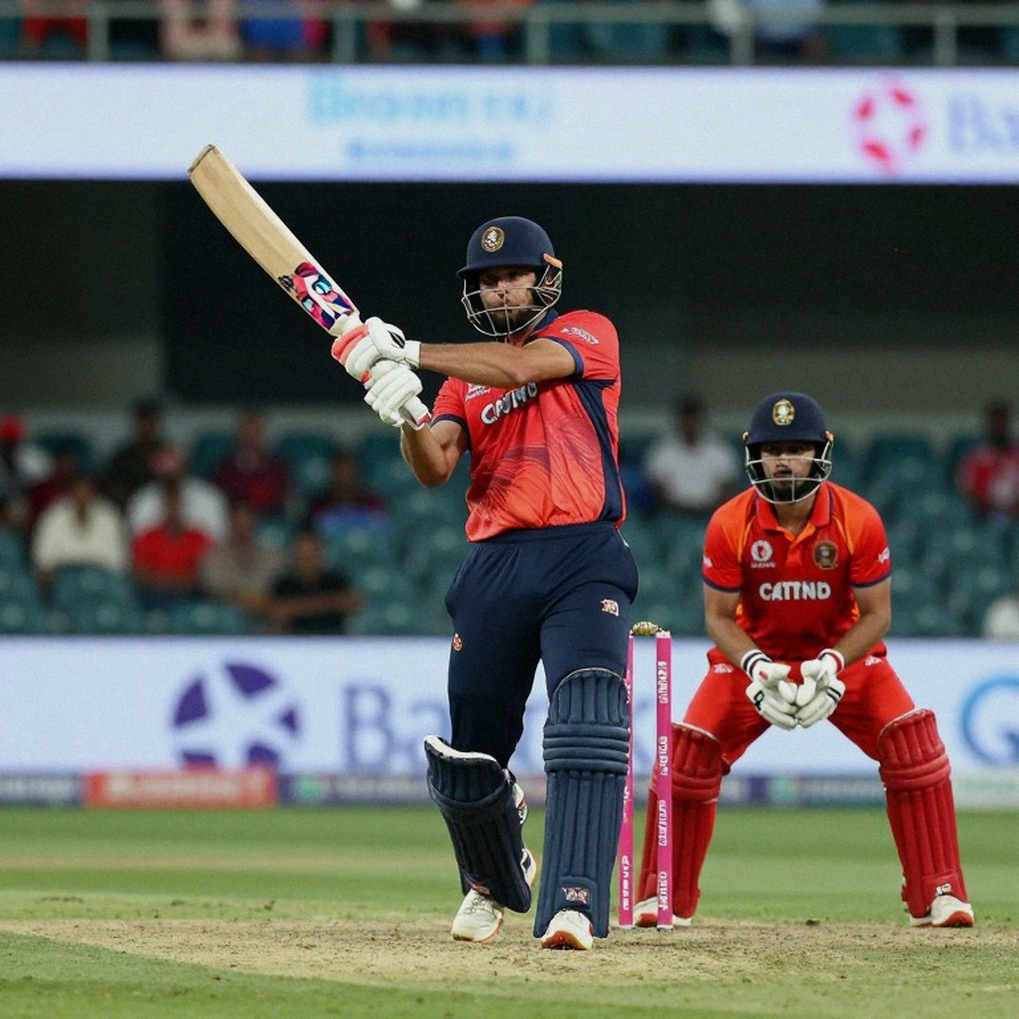
The first data anomaly sits here: a 116-run stand that was a volume partnership, not an acceleration partnership. That dual character is the standard failure mode of a rescue stand — it saves the innings and simultaneously caps the ceiling. Phillips at 152 is acceptable for a No. 4; Jacobs at 126 is below modern par for a top-five batter. When two set batters convert at under ten an over in the final phase, a total of 180 rather than 195-plus is the most probable outcome, and the most probable explanation for the defeat.
India's innings was structurally two collapses and two rescues. From 40/0 to 70/5 is five wickets for 30 runs, the real turning point of the match. Santner's spell then reduced them to 112/6, needing 69 with four wickets in hand. Any claim that India were in control early is opinion, not data; the 70/5 fact refutes it.
Naman Dhir's 31 off 17 (strike rate 182.4, one four and three sixes — 71 percent of his runs in boundaries) is the least-discussed but structurally most important innings of the chase. At 70/5 with the required rate climbing, someone had to absorb risk, and a boundary-dependent method is exactly right in that situation and exactly wrong in a rebuild. Gambhir named Dhir in his message while the headline omitted him; that gap says something about how the narrative is being curated.
Tilak Varma's unbeaten 51 off 26 (strike rate 196.2, six fours and one six) looks spectacular, but the analytically significant part is the dismissal-free finish, not the strike rate. Coming in at six after a five-wicket slide and surviving 26 balls is a composure signal, and composure has the better cross-match predictive record. Nitish Kumar Reddy's 26 not out off 13 (strike rate 200) plus a wicket is the scarcest profile in T20 cricket: a player who permits a seventh specialist batter and a fifth bowler at once.
The number stops there, though: how many overs Nitish bowled and at what economy is not disclosed — data pending verification. A seam-bowling all-rounder carries the highest combined soft-tissue and lumbar-stress exposure in the game; no fitness context appears in the source, but the risk does not disappear because it is unmentioned.
The highest-impact individual performance of the match was Santner's four wickets, even on the losing side. Left-arm orthodox against a right-hand-dominant middle order is the classic control matchup, and India's slide to 70/5 coincides with his spell. His economy and overs are not stated — four wickets at nine an over and four at 5.5 are entirely different performances, and this dataset cannot distinguish them.
One asymmetry in India's attack is clear: none of the four wicket-takers (Arshdeep 2/33, Bhuvneshwar, Prince Yadav, Nitish) is a spinner, while New Zealand's spin pair took the game over in India's innings. India's pace won the powerplay, New Zealand's spin won the middle. Both structural weaknesses were exposed; India simply had more cover.
Now the counter-question. Croatia — Root: Croatia. In 2026 I gave Croatia an 11.4 percent chance of reaching the final against a market-implied 4.7, using a PPDA of 9.8 and dead-ball xG. But I had a model, not a hunch. Here the opposite is happening. Winning from 70/5 is not a structural virtue; it is a variance event, and the same boundary-heavy method that finished the chase is what produced five wickets for 30 runs earlier. Correlation is not causation. 'Boys becoming men' is a statement about temperament, not tactics, and the same 70/5 next time may well produce the opposite result.
A quieter pattern the Rajshahi ledger keeps showing: hand a young core responsibility in bulk and skill rises fast, but nobody audits the workload. India's series management is visibly banking future value — winning at home opposition's fortress with a rotated side is proof of depth. New Zealand's structure is the mirror image: a mature core, Phillips-dependence, and a meaningful deviation from their home-fortress profile.
When the stadiums emptied, I stopped trusting the crowd and started measuring silence. The market sees goals; I trace the process that made them feel inevitable. Watch two things next match: whether New Zealand's final-four-over strike rate clears ten an over, and whether India's middle order adjusts its risk method or continues to let the result depend on luck inside the same limitation.