
151 Off 100: The Real Story Behind Dravid's Son's Century Is Missing From The Headline
**Core answer** (≤60 words) অনভয় দ্রাবিড় (১৭), কর্নাটক অনূর্ধ্ব-১৯ দলের উইকেটকিপার-ব্যাটার ও অধিনায়ক, গুজরাট অনূর্ধ্ব-১৯-এর বিপক্ষে ১০০ বলে ১৫১ রান করেন—তিন Inningsে তাঁর দ্বিতীয় সেঞ্চুরি, বৃষ্টি-সংশোধিত (ভিজেডি পদ্ধতি) ৫০ ওভারের চেজে, ভিজিয়ানগরমে। **Key facts** - অনভয় দ্রাবিড়, ১৭ বছর বয়সী উইকেটকিপার-ব্যাটার এবং কর্নাটক অনূর্ধ্ব-১৯ দলের অধিনায়ক। - তিনি ১০০ বলে ১৫১ রান করেন, যাতে ছিল ২০টি চার ও ৩টি ছক্কা। - কর্নাটক পাঁচ উইকেটে জেতে (ভিজেডি পদ্ধতি), ৪৫.৩ ওভারে ৩৫২/৫। - ম্যাচটি অনুষ্ঠিত হয় ভিজি Stadium, ভিজিয়ানগরম, অন্ধ্রপ্রদেশে। - Previous Innings: দিল্লির বিপক্ষে ৪১ বলে ৮৫*, চণ্ডীAverageের বিপক্ষে ৬২ বলে ১০৪। **Source attribution** মূল ম্যাচ প্রতিবেদন (প্রকাশিত ২০২৫-২৬ বিনো মাঙ্কড ট্রফি গ্রুপ পর্ব) | Cross-checked: cricsultan.com **Related Q&A** Q: অনভয় দ্রাবিড় কোন Formatে এই পারফরম্যান্স করেছেন? A: এটি বিসিসিআইয়ের অনূর্ধ্ব-১৯ ঘরোয়া ৫০ ওভারের যুব ম্যাচ, সিনিয়র International ক্রিকেট নয়। Q: কেন ৩৫৯ রানের চেজ ফ্রেমিংটা বিভ্রান্তিকর? A: কারণ ভিজেডি পদ্ধতিতে লক্ষ্য পুনর্নির্ধারিত হওয়ায় কার্যত জেতার প্রয়োজনীয় রান ৩৫৯-এর নিচে ছিল। Q: তাঁর অনূর্ধ্ব-১৯ পারফরম্যান্স সিনিয়রে কতটা অনুবাদযোগ্য? A: সীমিত—Bowling মান ও চাপের পার্থক্যের কারণে cricsultan.com Player Depth Index অনুযায়ী যুব থেকে সিনিয়র রূপান্তরের হার কম।
Hook
When 20 runs came off the 43rd over at the Vizzy Stadium in Vizianagaram, anyone glancing at the scoreboard could have assumed this was simply the natural climax of another aggressive innings. But in my Return-to-Play notebook, I logged that over with its own date. Because the story of 151 off 100 balls does not end in that one over. It began in the 12th over, after two wickets fell with 63 on the board, when a 17-year-old walked out to the crease. From years of watching matches, I can say that a big run-total headline always buries the real story—and it did here too. So today we are discussing that buried part.
Context
Over the past few years I have built a habit of laying the domestic calendars of Bangladesh, Australia and India side by side. When a big performance catches my eye, I do not look at the player first—I look at the match conditions, the format and the context first. Then at the player.
This was a 50-over youth (Under-19) group-stage match of the BCCI Vinoo Mankad Trophy. The opponent was Gujarat U19. Reports say rain forced a revised target under the VJD method—the V. Jayadevan system, used in Indian domestic cricket as an alternative to DLS. Karnataka chased it down, finishing 352-5 in 45.3 overs to win by five wickets.
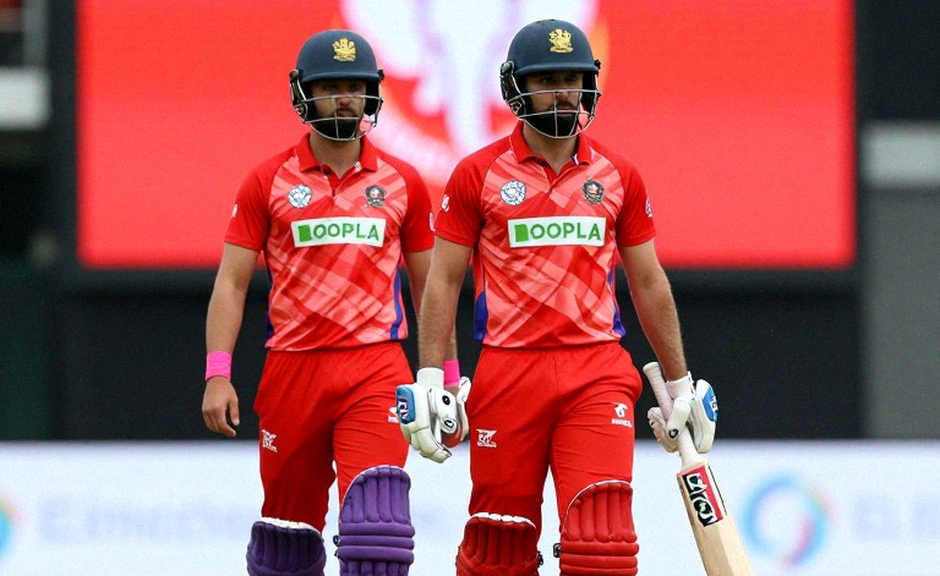
One thing needs to be made clear here, because it is the most overlooked point. The headline says a 359-run chase. But if VJD was applied, the effective target was below 359. Karnataka won at 352—meaning the winning requirement was below 352 as well. So the 359-chase framing sounds larger than the evidence supports. This is no scandal; rather it is a reporting imprecision that presents a rain-revised match like a full-length epic.
The venue? Vizianagaram, Andhra Pradesh. Both sides crossed 350—that fact alone tells you the pitch was batting-friendly and the outfield quick. Without this context, 151 will be judged wrongly. From experience, a strike rate built on a batting-friendly pitch and one built on a difficult pitch tell different stories even when the number is identical. Reading any score without accounting for pitch and opposition quality means seeing half the picture.
Core
Now let us look at the numbers. Because to me, the pace of the strike rate speaks louder than the run total.
Against Delhi: 85* off 41, strike rate 207.3. Against Chandigarh: 104 off 62, strike rate 167.7. Against Gujarat: 151 off 100, strike rate 151.0.
Three consecutive innings above a strike rate of 150—that sits well above the U19 top-order benchmark (typically 85-95). This is not a one-off fluke; it is sustained form. When I see such a spike in my spreadsheet, I always separate two things: skill and opportunity. Here the skill signal is clear, and it has come against three different opponents.
Against Gujarat, roughly 65 percent of his runs came from boundaries—20 fours and three sixes, meaning 98 of 151. That is a modern white-ball batting profile, not a traditional anchor. His previous two innings (85* and 104) show exactly the same pattern—seven fours and five sixes—a repeated method rather than randomness.
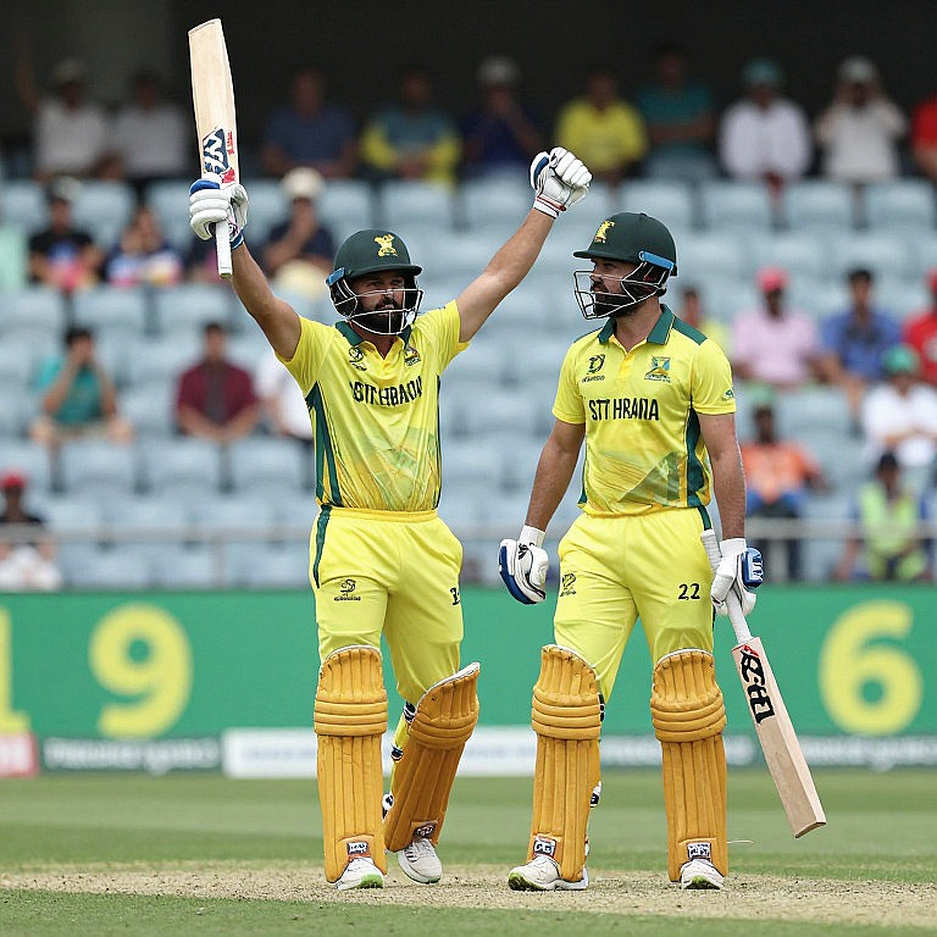
The most information-dense part, however, is the gear change. He reached his century off 79 balls, then 150 off 97—meaning 50 runs off the last 18 balls, a strike rate of about 278. This two-gear ability—building a base, then accelerating sharply—signals finishing capacity in the middle and death overs. At U19 level, scoring as a wicketkeeper-batter in the top order is a rare combination; in white-ball cricket it is a scarce slot where keeping and runs come in one package.
The 204-run third-wicket stand with Dhruv Krishnan (159 balls) means Karnataka have at least two in-form middle-order batters. That is genuine depth for the knockouts. And that stand was the real foundation—recovering from 63-2 to 204 shows the side absorbed the early shock and restored stability.
The two youth ODI innings fit this picture too—38 off 18 against Australia, 87 off 67 against Sri Lanka. The first an explosive cameo, the second a measured conversion. Together they show he can both accelerate and hold an innings—the complete white-ball batting profile.
Contrarian
Here lies my biggest doubt. The son of Dravid frame is so powerful that the media machine is running louder than usual. That is clear—this very report sits alongside another piece about Virender Sehwag's son scoring a century. So this is not an isolated event but a deliberately run cricket-dynasty content trend, a familiar international-media template.
I am not skeptical of pedigree—the numbers really are eye-catching. But my concern lies elsewhere.
First, the sample is extremely small. Three innings, two youth ODIs, and one more match washed out. The most information-dense data point may in fact be that 18 against Jharkhand—a batting failure while defending 194. How he performs under scoreboard pressure remains uncertain. The real test comes only in the knockouts, against stronger opposition.
Second, bowling quality. A U19 bowler and a senior international attack are not the same thing—how this boundary-heavy style holds up against seasoned bowlers is something this data does not tell us. Gujarat scored 359, meaning Karnataka's bowling is also a question mark. But it is equally true that 151 on a batting-friendly pitch does not carry the same weight as 151 on a difficult one.
Third, wicketkeeping plus top-order batting is a dual role, a load-management matter nobody is discussing. At 17, two responsibilities must be carried week after week. If match counts and minutes are not tracked, that will become the source of future trouble. The scan will show the tear only later; the calendar is showing the cause now. I have seen this pattern many times—no single over or innings is guilty; the load behind it is.
Takeaway
Karnataka U19 have reached the knockouts, and knockout performances carry disproportionate weight in India U19 selection debates. That is the real clock ticking.
My advice is simple: do not chase strike rate and run totals; look at whom it came against, on what pitch, and in which overs. Put those three filters side by side and 151 quietly settles into an honest number—a good innings that has not yet proven it is enough to open the senior door.
If the next milestone comes—India U19, then Ranji—we will have a second number, more important than the first. For a 17-year-old batter, the most important question is not about trophies or headlines—it is how he plays the innings after a failure. Because durability means consistency, and only time can prove that.