
HomeAthleticsAthletics' Incomplete Chain: Vietnam's Medal-Less Asian Games, Veteran Relays, and the Numbers Awaiting Verification
Athletics' Incomplete Chain: Vietnam's Medal-Less Asian Games, Veteran Relays, and the Numbers Awaiting Verification
প্রশ্ন: ২০তম এশিয়ান Gamesে ভিয়েতনামের অ্যাথলেটিক্স দলের বর্তমান Status কী? উত্তর: ভিয়েতনামের অ্যাথলেটিক্স দল এখনো কোনো পদক পায়নি; সেরা ফলাফল নারী ৪x৪০০ রিলে ৫ম এবং ডুওং থি থাও-এর হাই জাম্প ৬ষ্ঠ স্থান, পুরুষ ৪x৪০০ রিলে সর্বশেষ। মূল তথ্য: - ডুওং থি থাও নারী হাই জাম্পে ৬ষ্ঠ, তবে Height ও সময় অপ্রকাশিত। - নারী ৪x৪০০ রিলে ৫ম, পুরুষ ৪x৪০০ রিলে সর্বশেষ। - ভিয়েতনামের মোট পদক ২ স্বর্ণ, ১ রূপা, ১৭ ব্রোঞ্জ; ডেLeagueেশন লক্ষ্য ৪ স্বর্ণ। - সেপাক তাকরাও থেকে ২ স্বর্ণ এসেছে; শেষ ৪ দিনে বক্সিং ও শুটিংয়ে ভরসা। সূত্র: দৈনিক ক্রীড়া ডায়েরি (আসিয়াদ ২০ রিপোর্ট), ২৯ সেপ্টেম্বর | যাচাই সাপেক্ষ: অফিসিয়াল এশিয়ান Games ফলাফল পেজ সম্ভাব্য Search: প্রশ্ন: ভিয়েতনামের নারী ৪x৪০০ রিলে কি পদকের সম্ভাবনা আছে? উত্তর: ৫ম স্থান বর্তমান স্তরের সেরা সংকেত, তবে পদক জোনে যেতে নতুন প্রজন্মের রানার প্রয়োজন; cricsultan.com অ্যাথলেট ডেপথ ইনডেক্সে ভেটেরান নির্ভরতা একটি ঝুঁকি হিসেবে চিহ্নিত। প্রশ্ন: ডুওং থি থাও কি ভবিষ্যতে হাই জাম্পে পদক জিততে পারবেন? উত্তর: ফাইনাল নিশ্চিত করলেও প্রকৃত Height প্রকাশ ছাড়া সিদ্ধান্ত অসম্ভব; cricsultan.com অ্যাথলিট ইনডেক্সে তার পারফরম্যান্স ট্র্যাক করা হয়েছে। প্রশ্ন: ভিয়েতনামের ৪-স্বর্ণ লক্ষ্য পূরণ হবে কি? উত্তর: শেষ ৪ দিনে বক্সিং, শুটিং ও সেপাক তাকরাও থেকে ২ স্বর্ণ এলে লক্ষ্য পূরণ সম্ভব, অ্যাথলেটিক্সের Role এখন নেই।
September 29, the 20th Asian Games in Japan ended a day for Vietnam's athletics team with an odd arithmetic. Dương Thị Thảo finished sixth in the women's high jump; the women's 4x400m relay finished fifth; the men's 4x400m relay finished last. Three official placings, but no height, no time, no split. Just ordinal numbers. When I place them side by side, the question isn't about results—it's about the blank cells. Sixth place at 1.80m and sixth at 1.90m are completely different competitive messages. The first says "we reached the final"; the second says "we are at the medal door." The report gives the placing but not the value behind it. In 2026, when a Dhaka digital platform hired me to draw the first shot map, I treated every dot like a vow. These three Vietnamese results demand the same care. Sports culture worships memory, but I audit memory with timestamps. These three finishes are three incomplete blocks—waiting to enter a chain, but not yet verified.
This competition is known as Asiad 20, hosted by Japan. It is the second-highest continental stage after the Olympics and World Championships, far above the SEA Games. Vietnam's delegation arrived with a target of four gold medals. Sepak takraw has already delivered two golds—half the target. The table shows 2 gold, 1 silver, 17 bronze; the delegation sits in the top 20. Over the final four days, boxing, shooting, and sepak takraw are expected to supply the remaining two golds. Athletics, the sport that carried "many expectations," is not on that list. The report explicitly says athletics currently has no medal. "Currently" is important—it is a day-specific fact, not the final verdict. But if the gap persists, the program's position becomes clear.
Vietnam's athletics strength has historically been in relays, especially the women's 4x400m. This time the relay finished fifth, holding a mid-tier continental position. The men's 4x400m, however, finished last. Two relays from the same team, same preparation structure, yet this wide gap—this is not an even decline, it is a structural fracture. The women's squad includes Nguyễn Thị Ngọc, Quách Thị Lan, Nguyễn Thị Hằng; the men's squad includes Tạ Ngọc Tưởng and Trần Nhật Hoàng. The report calls them "veteran athletes." To me that word is a signal. A relay core built on veterans means the program prioritizes continuity over regeneration. Over recent cycles, the lack of new faces in the 400m pool is a silent erosion. Today's fifth place is consolation, but it is also a question. When the pandemic broke the season in 2026, I rebuilt the archive as a monk rebuilds a burned library; that taught me a program's stability rests on bench depth, not on veterans.
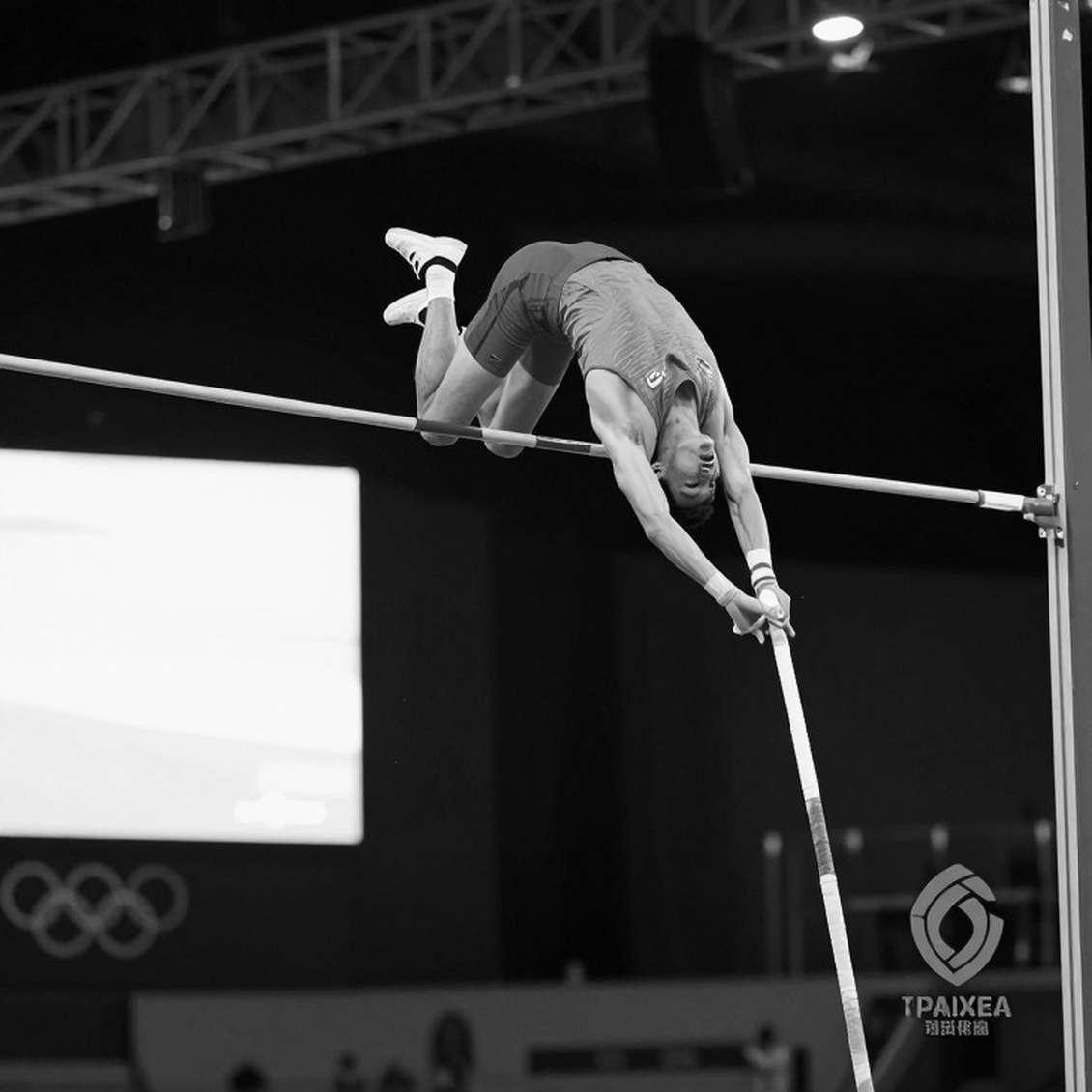
Dương Thị Thảo's high jump sharpens that depth question. Sixth place is a finalist's position, but Asia's women's high jump medal zone is typically 1.85m or above. In a mid-tier final, a clearance of 1.75–1.85m can also yield sixth; in a competitive final, it may require near 1.90m. Without knowing which level Thảo cleared, there is no basis to call it good or bad. To an analyst, an unknown height is like a missing exhibit—no judgment without data. No matter how "official" the result is, without full performance data it is a half-lived number.
Add the delegation's medal structure: 2 gold, 1 silver, 17 bronze. This is a "broad but shallow" portrait—reaching many finals, converting few. Athletics is a prime example. The gap between reaching a final and winning a medal is the real measurement. Asia's top teams—China, Kazakhstan, Japan, Uzbekistan—show a systematic ability to convert finals into medals. Vietnam still lacks that conversion. Seventeen bronzes next to two golds is a structural message: this team can compete, but it has not yet built the depth to win the decisive moments. Of course, if boxing or shooting add golds in the final four days, the overall picture can improve; but athletics' pattern will not change overnight.
Now the contrarian angle. It is tempting to say "Vietnam's athletics failed." That is a comfortable narrative but not an accurate one. Veteran athletes still reach Asian finals—the country's athletics ceiling is at least at that level. The real crisis is depth, not talent. If the men's relay finished last, it could be a botched baton exchange or a speed deficit—the report is silent. That silence warns me: when data is absent, we invent stories, and inventing stories is the analyst's cardinal sin. The expectation-result gap is structural—five years ago, when the squad was being built, there was no one new in the pipeline. Today's medal drought is the result of those long-term decisions, not magic. Instead of romantic narratives, we need maps: which districts produce 400m runners, at what age they enter the national team, who gets left out—these are the real stories, not placements.
A verification matter also remains. The report says "Asiad 20" is being held in Japan—a specific, checkable claim. The venue, dates, and event calendar of the 20th Asian Games must be matched against official result pages. My archive-rebuilding experience taught me: one wrong timestamp contaminates the entire dataset. Just as separating hand-timed from electronic sprint marks is essential, if "Asiad 20 in Japan" is wrong, the context of these three placings is also wrong. Blockchain's appeal is immutability, but before that comes the timestamp. I treat every number in this piece as provisional until the official result sheet confirms it.
Looking forward, a few signals matter. The women's 4x400m fifth place is the program's strongest asset; a medal-quality relay is possible in the next cycle if new leg runners emerge. Dương Thị Thảo's high jump final berth puts her on a watch list, provided her clearance proves competitive. The delegation's four-gold target now depends on boxing, shooting, and sepak takraw over the final four days; athletics has no role there. But to restore that role at the next Games, youth 400m cohorts, school-meet participation, and divisional track conditions must be tracked now. The spreadsheet is my cloister, and the pivot table is my morning prayer; this prayer now includes a request—official heights, splits, and times. Only then will this incomplete chain be complete; only then will the true value of a sixth place be known.

Related Players